
Mediterranean Life: Living With the Sun
Why the Rhythm of Summer on the Costa Blanca May Be the Secret to a Better Holiday
At seven o'clock on a summer morning, the Costa Blanca can feel almost deserted.
The beaches are quiet. The sea is calm. Swallows skim low over the terraces and village cafés are only just beginning to open their doors. Along the promenades of the coast however, walkers, runners, cyclists and yoga groups are already making the most of the coolest hours of the day.
By midday the heat shimmers from the stone walls, streets become quieter and shutters close against the sun.
To visitors from northern Europe this can seem strange. Why does everything happen so early—or so late?
The answer is simple. For centuries, people here have learned to live with the sun rather than fight against it.
The rhythm of Mediterranean life is not an accident. It is a practical response to climate, landscape and community. And for visitors willing to embrace it, it may be the secret to a more enjoyable, less stressful and more memorable holiday.

The Landscape Sets the Timetable
Long before air conditioning existed, people living around the Mediterranean had to find ways of working, travelling and socialising during long, hot summers.
Over generations, a natural rhythm developed.

The coolest hours of the day became the most productive. The hottest hours became a time for shade and rest. The evening became a time for gathering, celebration and community.
In many ways, the landscape itself became the clock.
Today, while modern life has changed many things, the basic rhythm remains remarkably similar.
The Magic of the Mediterranean Morning
One of the greatest mistakes visitors make is sleeping through the best part of the day.
During summer, the hours between sunrise and mid-morning are often the most beautiful on the Costa Blanca.
On the coast, promenades begin to fill with people exercising before the heat arrives. Locals walk, run, cycle, swim and practise yoga while the air is still cool and comfortable.
Families can enjoy a morning stroll, stop for breakfast overlooking the sea and reach the beach before the crowds begin to arrive.

The same principle applies in the mountains.
While the coast is waking up, inland villages such as Tàrbena, Parcent and Alcalalí are enjoying some of their coolest hours. Ancient paths, mountain roads and village streets are often at their most pleasant before the midday sun arrives.
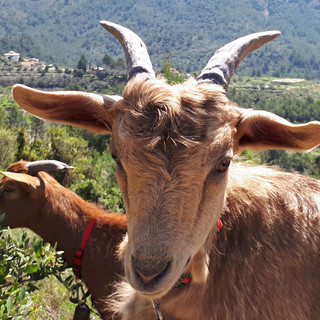
This is why many outdoor activities, including cycling, hiking and goat trekking, take place early in the morning.
It's not about getting up early for the sake of it.
It's about making the most of the best hours of the day.

Understanding the Siesta
The siesta is perhaps one of the most misunderstood aspects of Spanish culture.
Visitors sometimes imagine it as a quaint tradition or a sign that life moves more slowly here.
In reality, it developed for a very practical reason.
Summer afternoons can be extremely hot. Historically, there was little sense in working hard outdoors during the hottest part of the day.
Instead, people adapted.
Lunch became the main meal. Shutters were closed. Homes stayed cool. Activity slowed.
While modern Spain is more varied than the stereotype suggests, many Mediterranean communities still naturally become quieter during the afternoon.
Far from being wasted time, these quieter hours help conserve energy for the rest of the day.
The Costa Blanca Comes Alive Again
As the sun begins to drop, something remarkable happens.
The Costa Blanca wakes up for a second time.
Children reappear in village squares. Families gather outdoors. Markets begin to open. Restaurants fill. Music drifts through the streets.
During summer, many villages host fiestas, concerts, cultural events and celebrations that continue late into the evening.
Visitors are often surprised to see young children happily playing in plazas long after they would normally be asleep at home.
But in a Mediterranean summer, evenings are precious.
They are cool, social and full of life.
This is often the Spain that visitors remember most.

Why Many Visitors Miss the Best Parts
Many holidaymakers unknowingly continue living according to the timetable they use at home.
They wake later.
They spend the hottest hours outdoors.
They become tired by evening.
And then they miss many of the experiences that make Mediterranean life special.
There is nothing wrong with relaxing by the pool or spending the day on the beach.
But a few small adjustments can completely change the experience of a summer holiday.
A Different Way to Experience Summer
Imagine a typical summer day.
Wake early and enjoy a walk along the coast before breakfast.
Or drive into the mountains while the air is still cool.
Explore a village, visit a local market, cycle a mountain road or join a guided outdoor activity.
Enjoy breakfast and then spend the late morning at the beach or a village swimming pool.
Take lunch slowly.
Rest during the hottest hours.
Then head back out in the evening when the Costa Blanca begins to come alive again.
The result is often a holiday that feels less rushed, less exhausting and surprisingly more rewarding.

Beyond the Beach
The Costa Blanca is famous for its coastline, and rightly so.
But beyond the beaches lies another Costa Blanca.
A Costa Blanca of mountain villages, terraces, almond groves, village pools, shepherd paths and summer fiestas.
A Costa Blanca where life still follows the rhythm of the landscape.
Some visitors discover it by accident.
Others seek it out.
Many find it becomes their favourite part of the region.
Living With the Sun
Perhaps the secret of a Mediterranean summer is not doing more.
Perhaps it is learning when to do things.
Rise early.
Rest when the heat is strongest.
Return outdoors when the day begins to cool.
Follow the rhythm that local people have followed for generations.
You may discover that your holiday becomes less hurried, less exhausting and far more memorable.
After all, the people of the Mediterranean have spent centuries learning how to live well beneath the summer sun.
There may be something we can learn from them.


Comments